
Description
ASR 4 Chassis [Flat Face] – Build a Stronger, More Stable Sim Racing Setup
When your sim racing setup becomes more powerful, the chassis supporting it matters just as much as the wheelbase, pedals, and steering wheel. A flexible or poorly supported cockpit can reduce the feel of force feedback and make it harder to maintain a comfortable driving position.
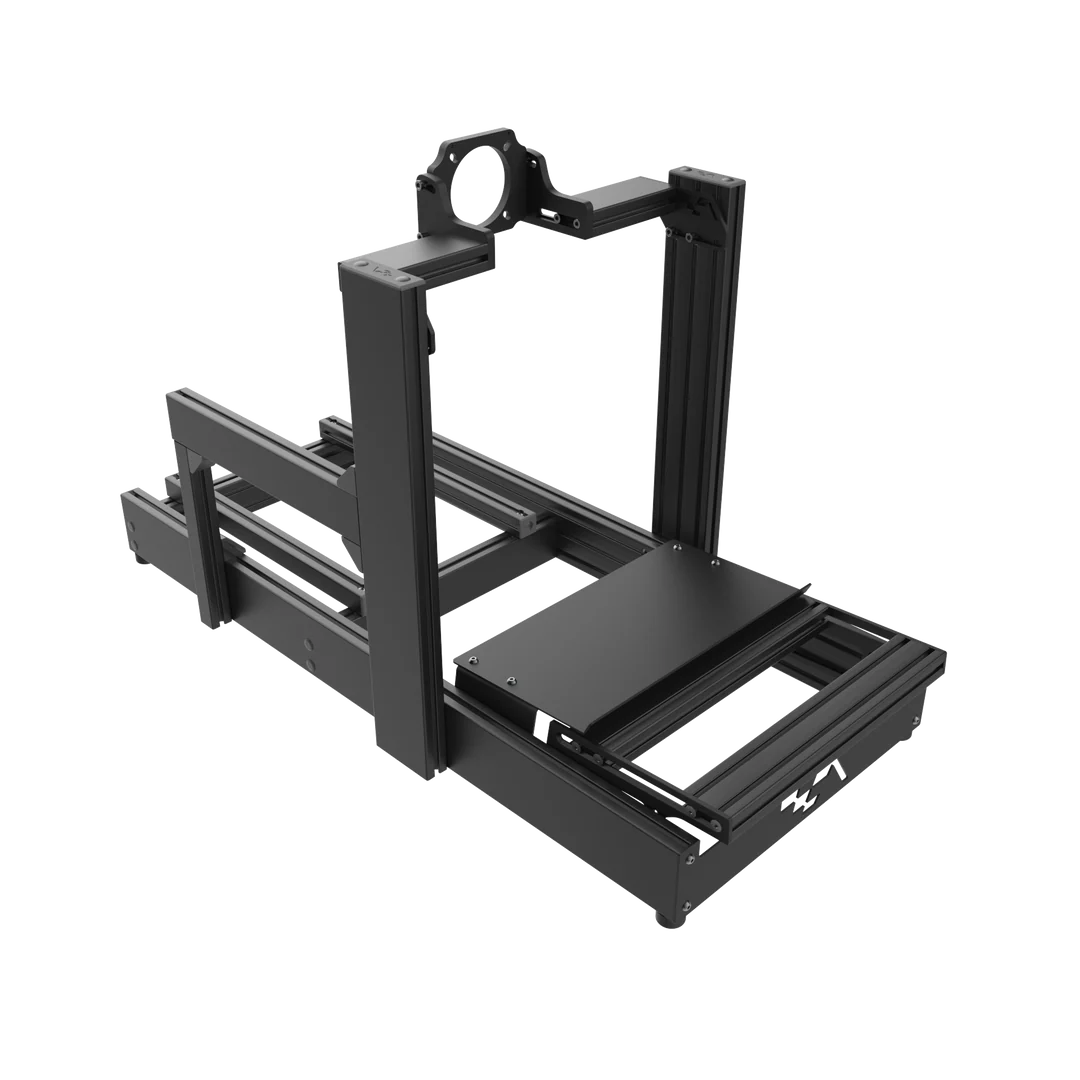
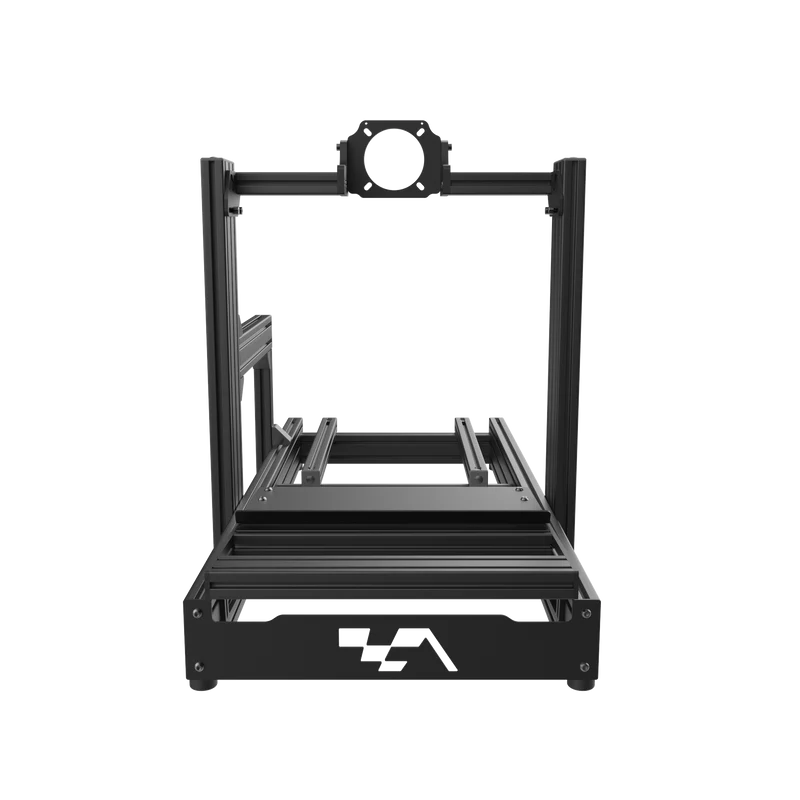
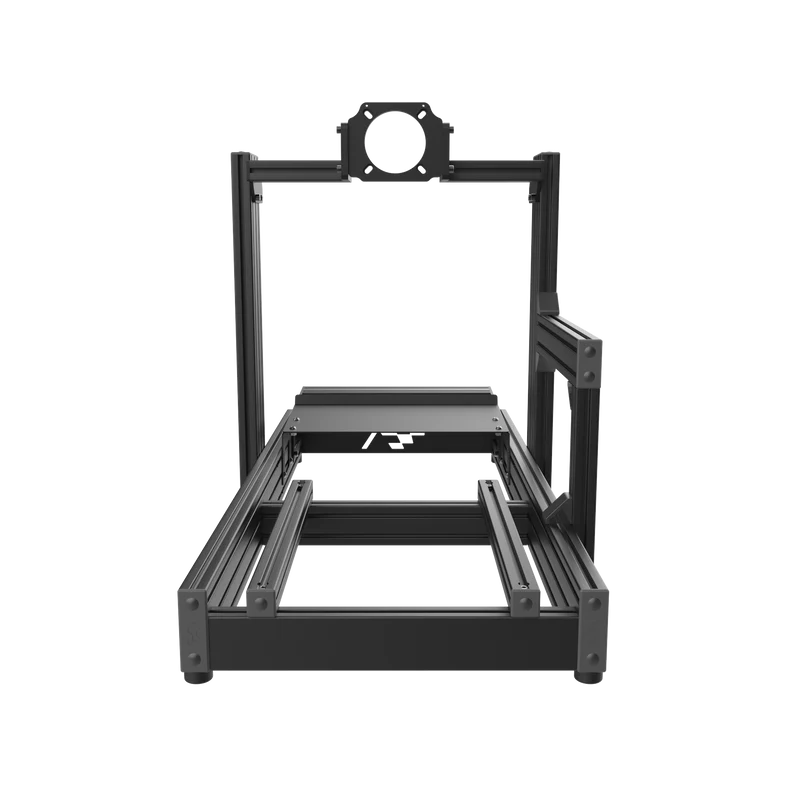
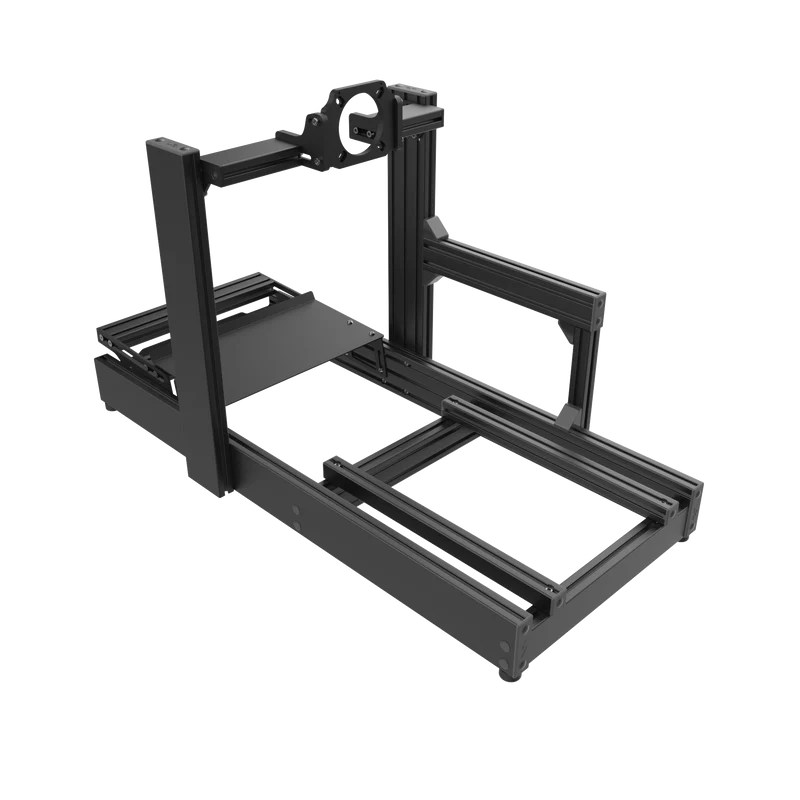
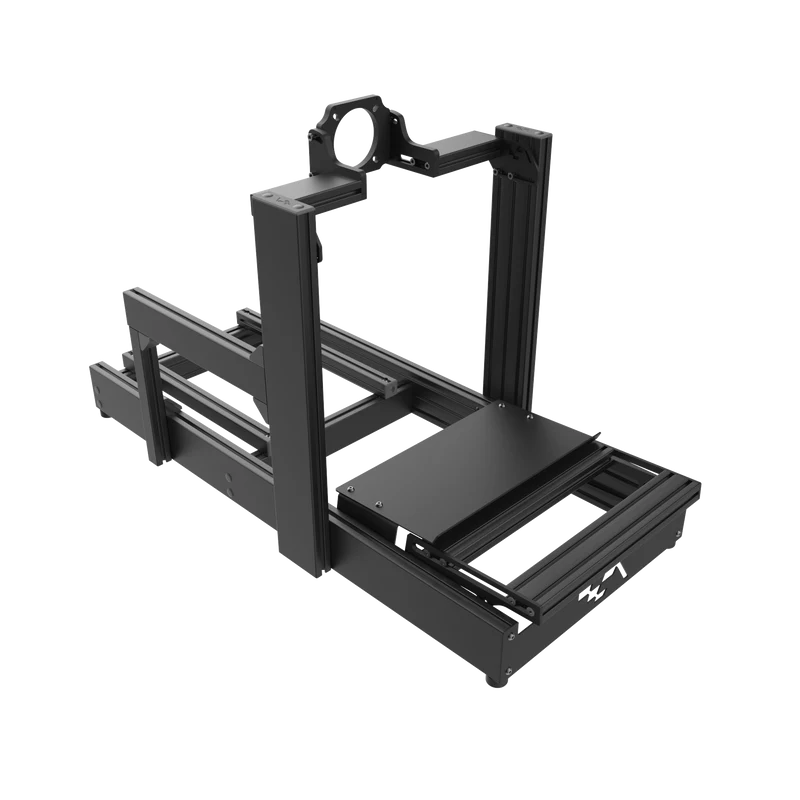
The ASR 4 Chassis [Flat Face] is built for sim racers who want a strong, adjustable, and long-lasting foundation for a serious racing simulator. It combines a large aluminum profile base with a reinforced steering column, an adjustable wheel deck, and a flexible pedal mounting system.
The Generation 2 design also brings improvements to the wheel deck, pedal tray, heel rest, and overall assembly system. As a result, you get a more refined platform for building a powerful and comfortable sim racing rig.
Whether you enjoy competitive racing, endurance events, drifting, GT racing, Formula racing, or long practice sessions, a solid cockpit can help you get more from your hardware.
Why Choose the ASR 4 Sim Racing Chassis?
A sim racing chassis needs to do more than hold your equipment. It should provide a stable base while giving you enough adjustment to create a driving position that feels natural.
The ASR 4 sim racing chassis is designed around that idea. Its large 4.5-inch aluminum base and reinforced steering column provide a strong structure for demanding sim racing equipment. The chassis is also designed with adjustability in mind, so you can position your wheel and pedals to suit your preferred driving style.
This makes it suitable for both experienced sim racers and enthusiasts who are building a high-end simulator for the first time.
Strong Aluminum Construction
The chassis uses extruded aluminum profiles to create a rigid and adjustable frame. Aluminum profile is popular in serious sim racing because it allows the cockpit to be built with strong connections while still giving the user plenty of options for positioning equipment.
The ASR 4 uses a 4.5-inch by 1.5-inch base profile and the same profile size for its steering column. This gives the structure a substantial foundation for a powerful wheelbase and other racing equipment.
The frame is also designed to reduce unnecessary movement during racing. That matters because strong force feedback can place significant demands on the cockpit.
Flat Face Sim Racing Chassis Design
One of the key features of this model is its Flat Face aluminum profile design.
The Generation 2 Flat Face profile gives the chassis a clean and refined appearance while maintaining the strength expected from a high-end aluminum profile cockpit. Advanced SimRacing also offers an Open Face version, giving buyers a choice between the two profile styles.
For users who want a neat and modern-looking simulator, the flat profile can be an excellent choice.
At the same time, the chassis keeps the flexibility needed for serious simulator building. You can configure the wheel deck, pedal position, and other components to create a setup that matches your seating position and hardware.
ASR 4 Chassis Generation 2 Improvements
The ASR 4 Chassis Generation 2 design introduces several changes over the earlier chassis generation.
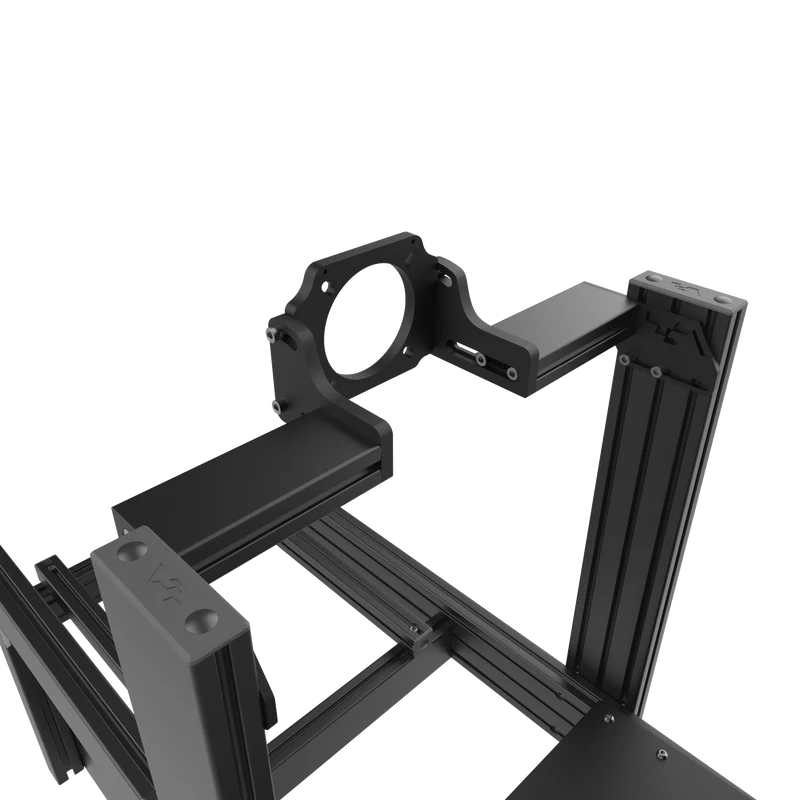
One of the biggest improvements is the redesigned wheel deck. It provides more flexibility when positioning the wheelbase, helping drivers find a more comfortable steering height and distance.
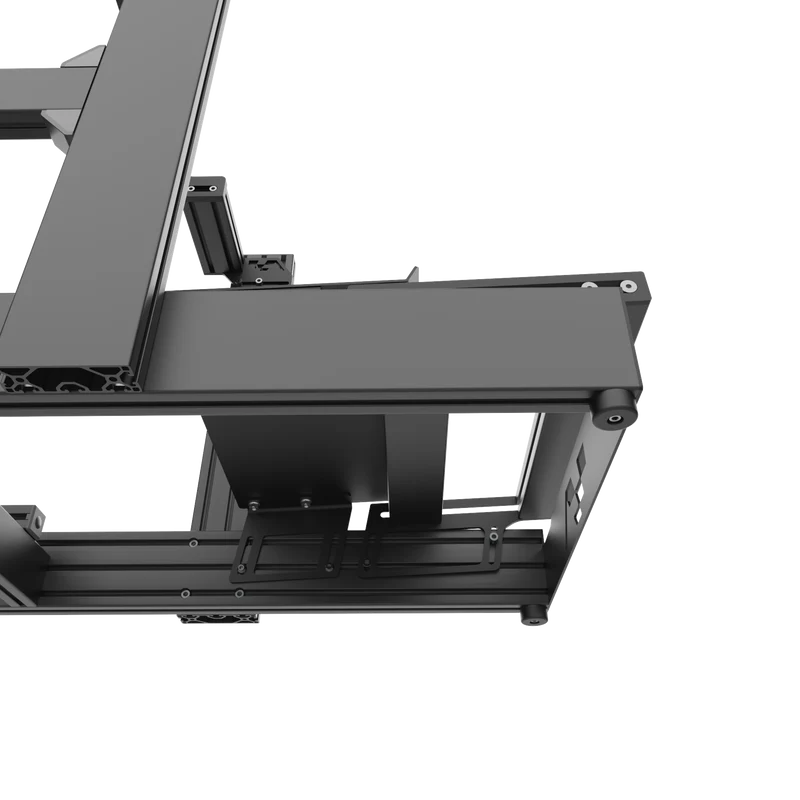
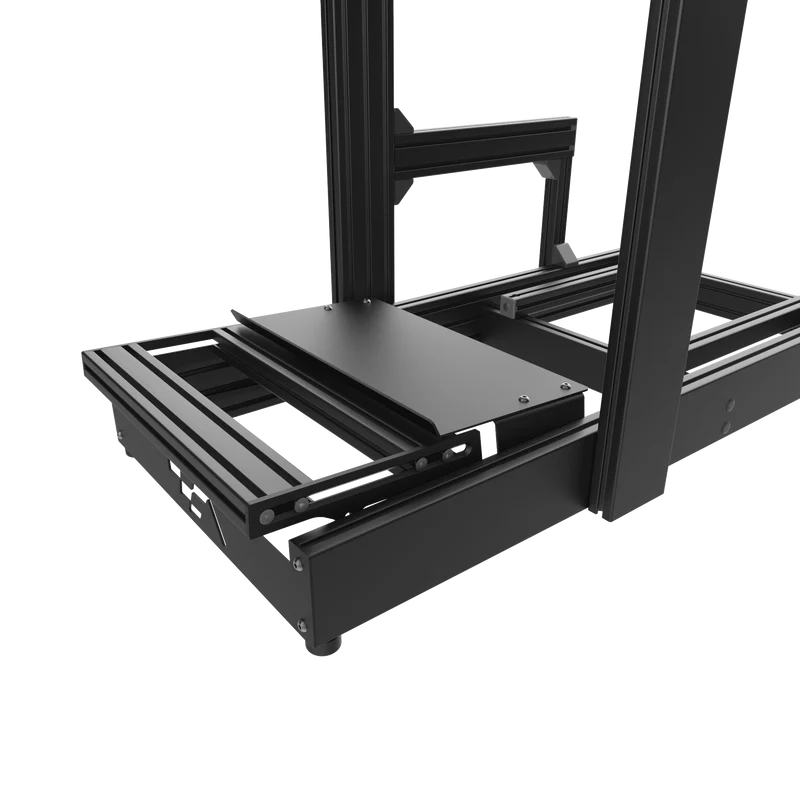
The pedal tray and heel rest have also been redesigned. The new system provides more adjustment for pedal height, angle, and mounting position. This is important because pedal placement has a direct effect on driving comfort and braking control.
The assembly system has also been redesigned to use fewer parts and make the chassis faster to build. Advanced SimRacing states that the updated design was influenced by lessons from its ASR Pro chassis.
Adjustable Wheel Deck
Your wheelbase should sit in a position that feels natural to your arms and shoulders. A wheel that is too high, too low, too close, or too far away can make long sessions uncomfortable.
The ASR 4 includes an adjustable wheel deck that allows you to create a more personalized driving position.
Depending on the configuration selected, the chassis can also be equipped with the Pro Wheel Deck. This option is designed to provide even more adjustment for wheelbase position and angle.
This makes the cockpit suitable for different driving styles and hardware combinations.
Direct Drive Wheelbase Cockpit Compatibility
One of the main reasons to consider a high-end chassis is the ability to support powerful direct drive hardware.
The ASR 4 Chassis [Flat Face] supports a wide range of wheelbase mounting options. The standard wheel deck supports products from brands such as Logitech, Thrustmaster, Fanatec, Simagic, AccuForce, and MOZA. The listed compatibility includes MOZA R9, R12, R16, and R21 wheelbases, with specific mounting limitations noted for the MOZA R5.
Additional mounting configurations are available for Fanatec, Asetek, Simucube, MiGE-type wheelbases, VRS, and Simagic equipment.
This flexibility means you can build your cockpit around the hardware you already own or select the mounting configuration that matches your next upgrade.
A Solid Foundation for Powerful Force Feedback
Strong direct drive force feedback can make a simulator feel far more connected to the virtual car. However, the chassis needs to be able to support the wheelbase properly.
A rigid sim racing chassis helps keep the wheelbase and driver position stable during steering inputs and force feedback effects.
The ASR 4 Chassis is designed as a high-end chassis with a large aluminum base and reinforced steering column. Its structure is intended for demanding sim racing setups where stability is important.
For drivers upgrading from an entry-level cockpit, this can be an important step toward a more serious simulator.
Adjustable Sim Racing Cockpit for Better Driving Comfort
A good cockpit should fit the driver, rather than forcing the driver to adapt to the cockpit.
The ASR 4 Chassis provides several adjustment points that help you create a driving position suited to your body size and preferred racing style.
The pedal tray can be adjusted for height, angle, and mounting position. The wheel deck can also be positioned to achieve a comfortable steering position. The manufacturer states that the chassis format is suitable for most builds and driver heights up to 6 feet 6 inches, or approximately 1.98 metres.
This makes the cockpit suitable for many different users.
Pedal Position Matters
Your pedals are one of the most important contact points between you and the simulator.
A fixed pedal position may work for some users, but serious sim racers often want more control over pedal height and angle. This is especially useful when switching between different pedal systems.
The ASR 4 pedal tray is designed to accommodate a wide selection of pedals. Listed compatibility includes Heusinkveld, Asetek Invicta and Forte, Fanatec, Simagic, Thrustmaster, Logitech, MECA, Simtrecs, Venym, Cube Controls, Simforge, and several other systems.
Before purchasing, however, always confirm that your exact pedal model and mounting hardware match the selected configuration.
Sim Racing Pedal Tray and Heel Rest
The Generation 2 aluminum pedal tray and heel rest are important parts of the ASR 4 Chassis design.
The pedal tray provides a firm mounting platform while the heel rest gives your feet a stable area during racing. Together, they help create a more natural lower-body driving position.
This is especially useful during longer races where small comfort issues can become noticeable.
A well-positioned pedal set can also make it easier to maintain consistent braking technique. Whether you use load-cell pedals, hydraulic-style pedals, or another pedal system, having a stable mounting point is important.
Professional Sim Racing Cockpit for Serious Drivers
The ASR 4 Chassis sits in the high-end section of the Advanced SimRacing chassis range. It is designed for drivers who want more than a basic frame.
The structure combines large aluminum profiles, reinforced mounting areas, adjustable equipment positions, and a design focused on rigidity and stability. Advanced SimRacing describes it as a high-end sim racing chassis and states that the product is produced and packaged in Canada using aluminum sourced in the United States.
The company also lists the ASR 4 Chassis as part of professional simulator builds, including systems that use high-end Simucube equipment and other advanced racing hardware.
That makes the ASR 4 a strong option for drivers who are building a permanent or dedicated simulator.
A Clean Choice for a Dedicated Racing Room
A simulator is often a long-term investment. Therefore, appearance can matter almost as much as performance.
The Flat Face design gives the chassis a clean, modern look that works well in a dedicated racing room, office, garage, or esports setup.
The Matte Black powder-coated finish is designed to provide a durable surface and protect the chassis against scratches during normal use.
The result is a cockpit that looks purposeful without adding unnecessary visual clutter.
ASR 4 Chassis Aluminum Profile Cockpit Specifications
Before choosing a cockpit, it is useful to know how much space it will occupy.
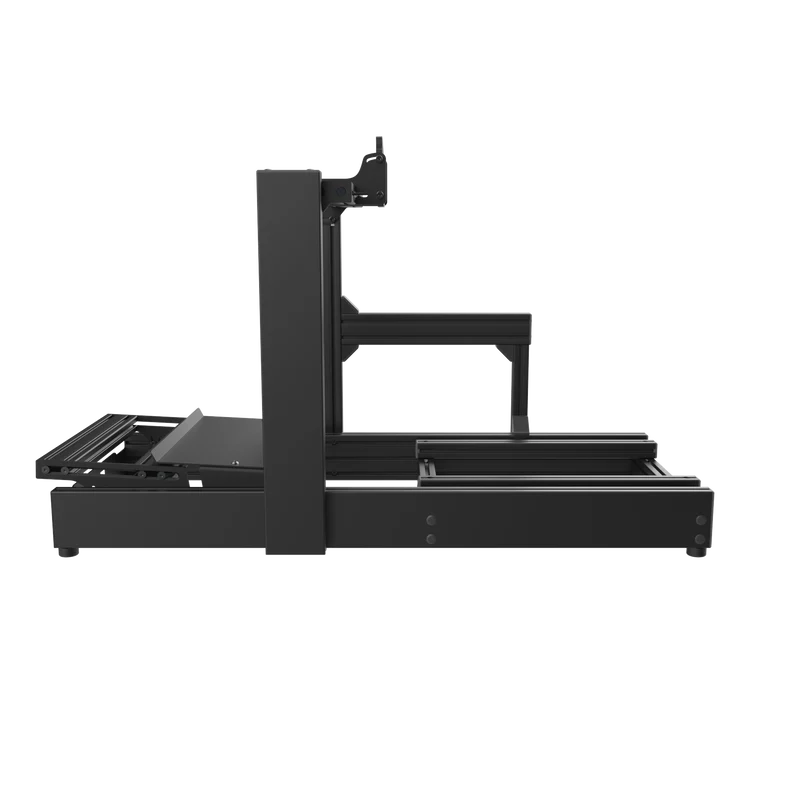
The listed ASR 4 Chassis specifications include:
- Base profile: 4.5″ x 1.5″
- Steering column profile: 4.5″ x 1.5″
- Base length: 50″
- Base width: 22″
- Height from rubber feet to the top of the steering column: 29″
- Assembled weight without accessories: approximately 116 lbs
Because the ASR 4 Chassis is a substantial chassis, measure your available space before ordering.
Also consider the space required for your racing seat, monitor, wheel, pedals, shifter, handbrake, and other accessories.
What Comes With the ASR 4 Chassis?
The package includes multiple aluminum profile sections, an ASR front plate, pedal tray components, heel rest brackets, a heel rest plate, corner gussets, and plastic caps.
The exact equipment configuration can vary depending on the wheel deck and mounting options selected.
This modular approach makes the cockpit suitable for a range of sim racing configurations.
You can start with your current hardware and build around it. Later, you can upgrade your wheelbase, pedals, shifter, or other accessories without necessarily replacing the complete chassis.
Build a Sim Racing Setup That Can Grow With You
One of the biggest advantages of an aluminum profile cockpit is flexibility.
Your first setup may use an entry-level wheelbase and pedals. Over time, you may decide to move to a stronger direct drive wheelbase, load-cell pedals, a larger steering wheel, a shifter, or a handbrake.
A modular chassis makes these upgrades easier to plan.
The ASR 4 Chassis is particularly well suited to this approach because it supports several wheelbase mounting configurations and a wide range of pedal systems.
Instead of buying a completely new cockpit every time you upgrade your hardware, you can create a more adaptable foundation from the beginning.
ASR 4 Chassis vs Entry-Level Cockpits
Entry-level cockpits can be a good starting point for new sim racers. However, they may not offer the same level of rigidity, adjustment, or upgrade flexibility as a large aluminum profile chassis.
The ASR 4 Chassis is aimed at users who want a more substantial platform.
It is particularly worth considering if you are moving toward a high-torque direct drive wheelbase or more advanced pedal system.
The larger frame also provides a better foundation for a permanent simulator where the cockpit remains assembled and ready for racing.
Why Rigidity Matters in Sim Racing
When you turn the steering wheel, brake hard, or use strong force feedback, energy moves through your racing equipment and into the cockpit.
If the frame moves too much, some of that energy can become unwanted movement instead of useful feedback.
A rigid chassis helps keep the wheelbase, pedals, and driver position stable.
The ASR 4 Chassis design focuses heavily on stability and rigidity, with its 4.5-inch aluminum base and reinforced steering column forming the core of the structure.
This is one reason a high-quality chassis becomes more important as your simulator hardware improves.
Quality and Long-Term Reliability
Buying a premium cockpit is a long-term decision. Therefore, construction quality and warranty support should be part of your buying decision.
Advanced SimRacing states that its branded products include a complete lifetime replacement warranty covering hardware durability issues and damage resulting from proper assembly and residential use. The warranty covers hardware parts, aluminum beams, steel plates, and gussets, subject to the manufacturer’s terms.
This provides an additional layer of confidence for buyers planning a permanent simulator.
As always, review the current warranty terms before purchase so you understand what is covered.
Shipping and Order Considerations
Large sim racing chassis are different from small accessories.
The ASR 4 Chassis is a substantial aluminum frame, so buyers should plan for a larger delivery and make sure there is enough room to receive and assemble the product.
Advanced SimRacing currently lists a typical lead time of 5–7 business days and states that large products may arrive separately from smaller parts because they are handled differently by its shipping logistics partners.
Shipping terms can vary by seller, destination, and time of purchase. Therefore, check the shipping information provided at checkout before placing your order.
For international buyers, also check any applicable customs, import, or local delivery requirements.
Safety and Assembly
A sim racing cockpit should always be assembled on a suitable, stable surface.
Follow the supplied assembly instructions and make sure all fasteners are properly secured before installing your wheelbase and pedals.
The ASR 4 Chassis uses multiple aluminum sections and mounting components, so take your time during assembly. Check the wheel deck and pedal mounting points carefully before using the simulator.
After installation, inspect the frame periodically, especially if you regularly use high-force direct drive hardware.
Never exceed the mounting or hardware limits of your individual wheelbase, pedals, or accessories.
Who Should Buy the ASR 4 Chassis?
The ASR 4 Chassis is a strong choice for:
- Competitive sim racers
- GT and Formula racing enthusiasts
- Endurance racing drivers
- Direct drive wheelbase users
- Drivers upgrading from entry-level cockpits
- Users building a permanent racing simulator
- Esports and serious practice setups
- Sim racers who want extensive adjustment
- Drivers planning future hardware upgrades
- Users who prefer aluminum profile construction
It may be more chassis than a casual user needs. However, for someone building a serious simulator, the extra structure and adjustment can make the investment worthwhile.
Pair the Chassis With the Right Hardware
A chassis is only one part of a complete simulator.
For the best experience, consider matching the frame with a wheelbase that suits your driving style, pedals that provide the braking feel you prefer, and a seat that keeps you comfortable during longer sessions.
You can also expand your setup with:
- Racing steering wheels
- Direct drive wheelbases
- Load-cell pedals
- Hydraulic-style pedals
- Sequential shifters
- H-pattern shifters
- Handbrakes
- Monitor stands
- Single or triple monitor setups
- Motion and haptic systems
- Racing seats
- Button boxes
- Keyboard trays and accessories
The modular nature of an aluminum profile sim racing cockpit makes it easier to build a complete setup around your needs.
Is the Flat Face Version Right for You?
The choice between the Flat Face and Open Face versions comes down to your preferred appearance, mounting approach, and future configuration needs.
The ASR 4 Chassis Flat Face gives you a clean profile design while maintaining the core structure and adjustability of the ASR 4 Chassis platform. Advanced SimRacing also offers the Open Face version for users who prefer that profile style.
If your priority is a clean, premium-looking cockpit with strong performance and flexible positioning, the Flat Face model is worth considering.
A High-End Foundation for Your Racing Simulator
Your wheelbase creates the steering feel. Your pedals control braking and throttle. Your steering wheel gives you the connection to the car.
But the cockpit holds everything together.
That is why choosing the right chassis matters.
The ASR 4 Chassis [Flat Face] combines a large aluminum profile structure, reinforced steering support, adjustable wheel positioning, a flexible Generation 2 pedal tray, and broad hardware compatibility.
It is designed for sim racers who want a stable and adaptable platform that can support a serious collection of racing equipment.
Upgrade Your Sim Racing Setup With the ASR 4 Chassis
If you are ready to move beyond a basic cockpit, the ASR 4 Chassis offers the strength and flexibility needed for a more advanced simulator.
Its adjustable design allows you to create a driving position that suits your body and equipment. Its aluminum profile construction provides a strong foundation for demanding hardware. Meanwhile, the wide range of wheelbase and pedal compatibility gives you room to upgrade in the future.
Take the next step toward a more stable and personalized racing experience.
Choose the ASR 4 Chassis [Flat Face] and build your simulator around a foundation designed for serious driving.
Final Verdict
The ASR 4 Chassis is designed for sim racers who value rigidity, adjustment, compatibility, and long-term usability.
Its Generation 2 improvements make the chassis easier to configure while the Flat Face aluminum profile gives it a clean and premium appearance. The adjustable wheel deck and pedal tray also make it easier to create a comfortable driving position.
Most importantly, the chassis gives your racing hardware a strong foundation.
If you are building a high-end sim racing cockpit or planning a future upgrade to more powerful equipment, the ASR 4 Chassis is a compelling option to consider.
Build your rig with the right foundation, configure it around your driving style, and enjoy a simulator that is ready to grow with you.


Miguel –
Absolutely delighted with my ASR 4 Chassis! The quality is excellent, it feels very solid and well built, and everything arrived safely as described. Great experience from ordering to delivery. Highly recommended!
racing –
thanks for trusting