
Description
Custom Built Sim Racing Wheel DIY – Build Your Own Sim Racing Wheel
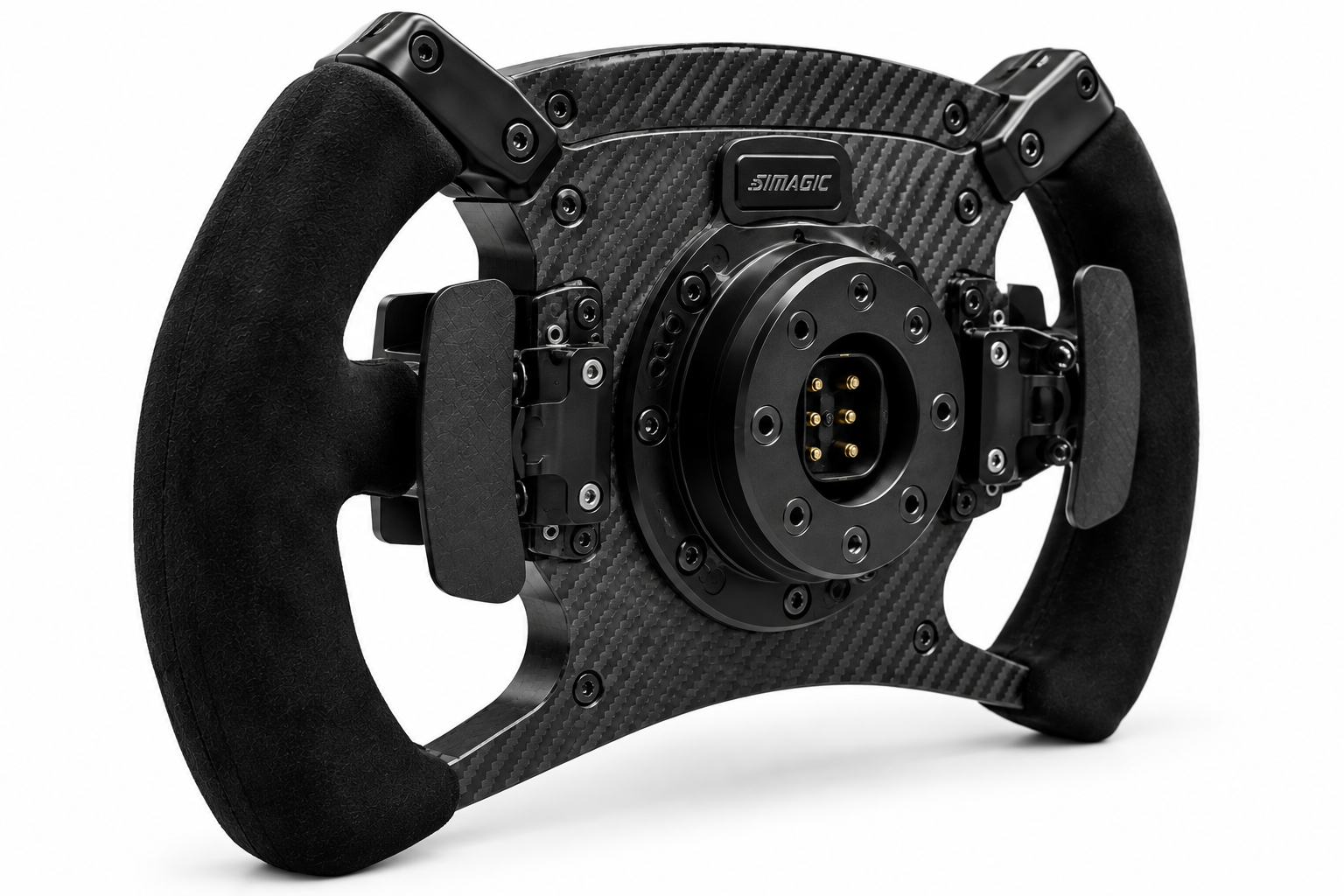
A Custom Built Sim Racing Wheel DIY setup gives sim racers the freedom to create a steering wheel that matches their driving style, setup, and personal taste. Instead of choosing a fixed wheel design, you can select the parts, layout, controls, and style that work best for your simulator.
Whether you enjoy GT racing, Formula racing, rally, drifting, or general circuit racing, a custom wheel can help you create a more personal and focused driving experience.
A Custom Built Sim Racing Wheel DIY project can also be a great choice for sim racers who enjoy building and upgrading their equipment. You can choose a suitable rim, buttons, paddles, electronics, grips, and other parts to create a wheel that fits your needs.
Why Choose a Custom Built Sim Racing Wheel DIY?
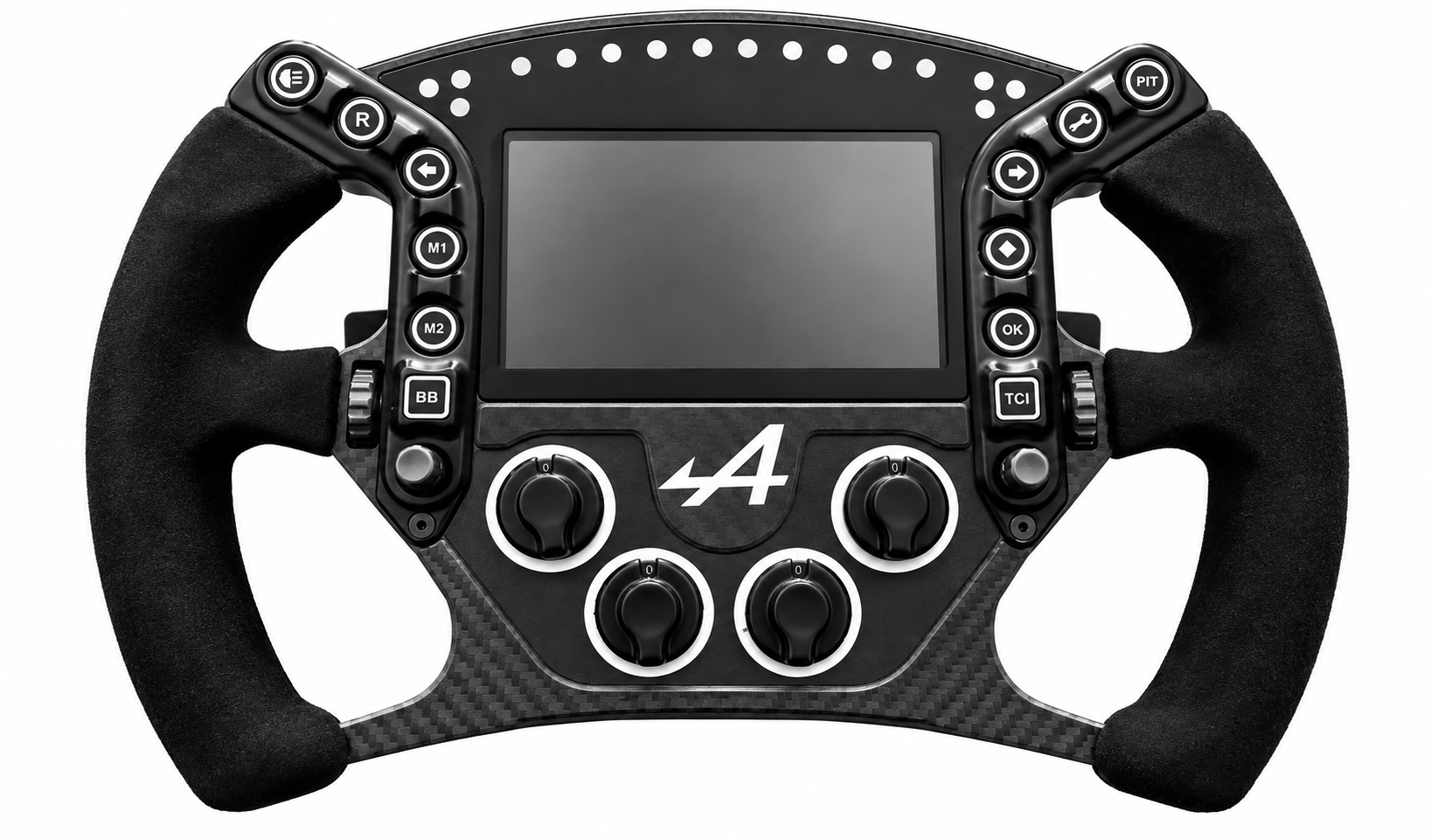
Every sim racer has different needs. Some drivers want a simple wheel with only the controls they use most. Others want a Formula-style layout with several buttons, rotary controls, paddles, and switches.
A DIY sim racing wheel gives you more control over that decision.
Rather than paying for features you may never use, you can focus on the parts that matter to your driving. You can also create a design that fits your cockpit and wheelbase.
With the right sim racing wheel kit, the building process can become easier. You can select compatible parts and create a wheel that works with your wider simulator setup.
Build a Wheel Around Your Driving Style
A custom wheel should suit the type of racing you enjoy.
For example, a Formula-style wheel may suit drivers who prefer open-wheel racing. A round sim racing wheel rim may be more useful for rally, drifting, or road-car simulation.
GT drivers may want a balance between both designs.
You can also decide how many controls you want on the wheel. If you rarely use extra buttons, there is no need to create a crowded layout. However, if you enjoy complex racing simulations, additional controls can make important functions easier to access.
Custom Sim Racing Wheel for a Personal Setup
One of the biggest benefits of a custom steering wheel is the ability to make the design your own.
You can consider the shape, size, grip style, button placement, paddle position, and overall appearance. This gives you the opportunity to create something that feels different from a standard off-the-shelf racing wheel.
A custom setup can also complement the rest of your simulator.
For example, a driver using a Formula-style cockpit may prefer a compact Formula rim. Someone using a GT cockpit may prefer a wider wheel with more natural hand positioning.
The goal is simple: create a wheel that feels right for you.
DIY Sim Racing Wheel Kit and Components
A successful DIY sim racing wheel starts with choosing the right components.
Depending on the design, your build may include a wheel rim, button plate, paddles, buttons, rotary encoders, switches, electronics, wiring, and mounting hardware.
Sim Racing Wheel Rim
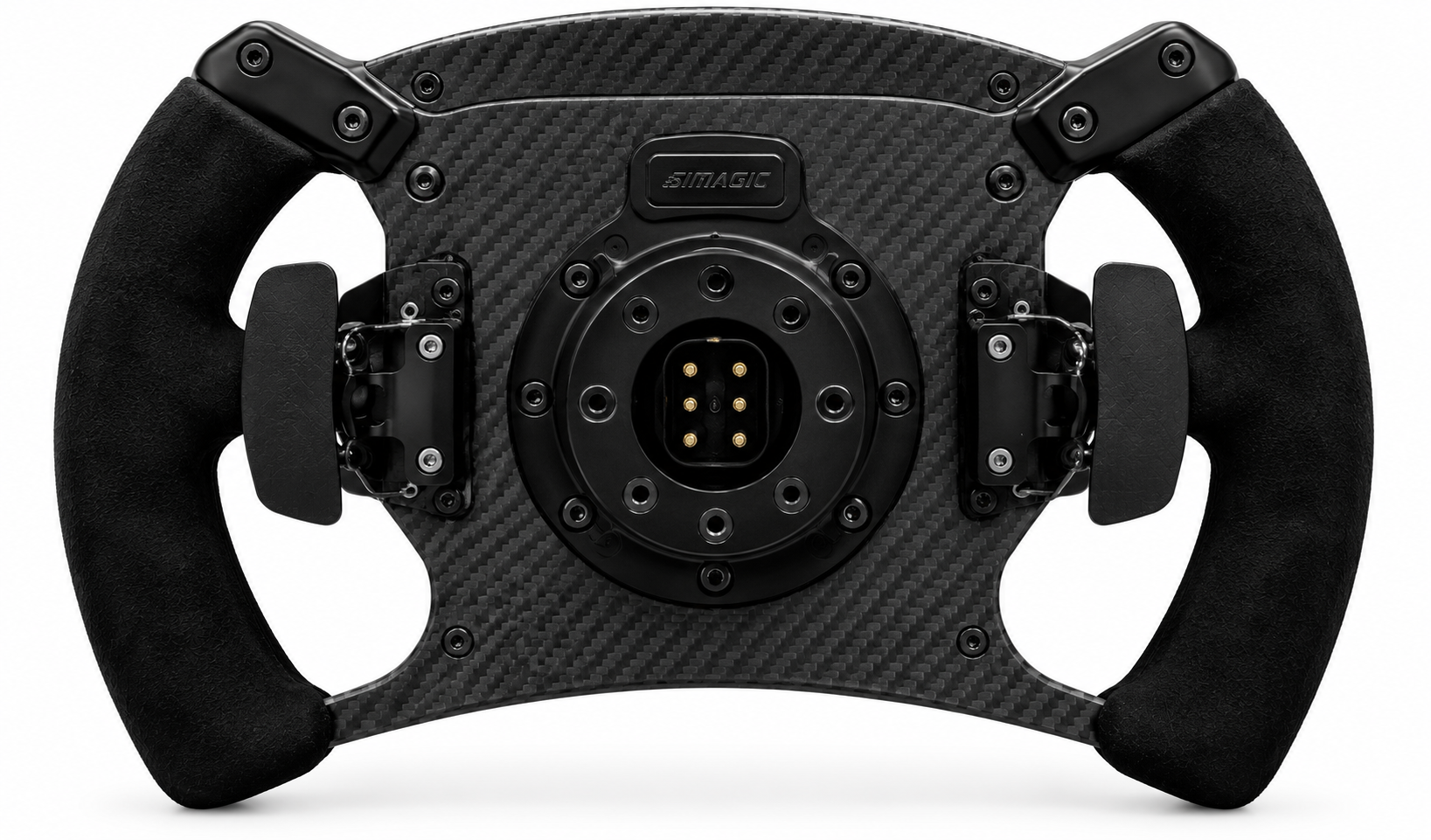
The rim is one of the most important parts of the build because it affects how the wheel feels in your hands.
Different rims offer different shapes, sizes, and grip styles. A smaller rim can work well for Formula and GT-style setups, while a round rim may offer more flexibility for different types of racing.
Choose a rim that matches your wheelbase and intended use.
Sim Racing Wheel Parts
A custom project may use several sim racing wheel parts.
These can include:
- Wheel rim
- Button plate
- Push buttons
- Rotary encoders
- Toggle switches
- Magnetic paddles
- Paddle shifters
- USB electronics
- Wiring
- Connectors
- Mounting hardware
- Grips
- Decorative panels
Before purchasing individual components, always check their dimensions and compatibility.
A good-looking part is not useful if it cannot be mounted correctly or connected to the rest of your system.
Custom Racing Wheel Controls
Controls are another major part of a custom build.
A custom racing wheel can be designed with only the buttons you need. You can place frequently used controls where your fingers can reach them quickly.
This can be useful during races because you may not want to remove your hands from the wheel to make small adjustments.
Depending on your design, you may add buttons for functions such as:
- Pit limiter
- Radio
- Lights
- Wipers
- Brake balance
- Traction control
- ABS adjustment
- Engine settings
- Menu navigation
- Camera controls
The exact controls depend on the simulator and games you use.
DIY Steering Wheel Button Layout
A good button layout should be simple and easy to understand.
It is tempting to add as many buttons as possible. However, more controls do not always mean a better wheel.
A clean layout can make the wheel easier to use during a race.
Think about which functions you use most often. Place those controls within easy reach. Less important controls can sit farther away.
For a DIY steering wheel, planning the layout before assembly can save time and reduce mistakes.
Sim Racing Button Box Features
Some custom wheels include many of the same controls found on a compact sim racing button box.
Buttons, rotary encoders, switches, and other inputs can give the driver more direct control over the simulator.
However, the wheel should remain comfortable.
Avoid creating a layout where buttons interfere with your grip or make the wheel difficult to hold.
Custom Built Sim Racing Wheel DIY for Different Racing Styles
A major advantage of a Custom Built Sim Racing Wheel DIY project is flexibility.
You can design your wheel around the type of racing you enjoy.
Formula Racing
Formula racing often benefits from a compact wheel with a strong focus on quick access to controls.
A Formula-style build can include multiple buttons, rotary controls, paddles, and a compact rim.
This design is especially useful when driving open-wheel cars in simulation.
GT Racing
GT racing can benefit from a wheel that combines useful controls with a comfortable grip.
A GT-style custom wheel may include buttons, rotary encoders, paddle shifters, and a slightly wider rim.
This can provide a good balance between control and comfort.
Rally and Drifting
Rally and drifting often benefit from a round wheel.
A round sim racing wheel rim allows the driver to move the wheel through a wider range of steering angles while maintaining a familiar grip.
For these applications, a simpler control layout may also be preferred.
USB Sim Racing Wheel Electronics
Electronics are an important part of a USB sim racing wheel.
Buttons, encoders, and switches need to communicate with the computer or compatible simulator hardware. The exact electronics required will depend on the design and the software being used.
Before assembling the wheel, check the connection type and compatibility of the electronic controller.
You should also plan the wiring carefully.
Neat wiring can make the finished wheel easier to maintain. It can also reduce the chance of loose connections during use.
Planning Your Racing Wheel Electronics
Good planning can make a DIY build much easier.
Start by listing the controls you want. Then determine how many inputs are required.
After that, consider the physical space available on the wheel.
This approach helps prevent a common problem: buying components first and trying to make them fit later.
Measure twice before drilling or cutting any panel.
Sim Racing Wheel Build: Step-by-Step Planning
Building a custom wheel does not have to be complicated when the project is planned properly.
Step 1: Choose the Wheel Style
First, decide whether you want a Formula, GT, round, rally, or another wheel design.
The style should match your preferred racing games and driving position.
Step 2: Choose the Rim
Next, select a suitable sim racing wheel rim.
Consider its size, shape, material, grip, and mounting method.
Step 3: Plan the Controls
Decide how many buttons, paddles, switches, and rotary encoders you want.
Try to keep the most important controls easy to reach.
Step 4: Check Compatibility
Before ordering parts, check compatibility with your wheelbase, mounting system, electronics, and simulator platform.
This is one of the most important steps in any sim racing wheel build.
Step 5: Assemble Carefully
Follow the instructions for each component.
Take your time with wiring and mounting. A clean build is easier to test and repair.
Step 6: Test Before Racing
Once the wheel is assembled, test every input.
Check each button, paddle, encoder, and switch before using the wheel in a long race.
Benefits of a Custom Built Sim Racing Wheel DIY
A custom wheel can offer several advantages for sim racers who enjoy creating and improving their equipment.
Personal Design
You decide how the wheel looks and where the controls are positioned.
Flexible Controls
You can choose the buttons and controls that match your racing needs.
Upgrade Potential
A modular build can make future upgrades easier, depending on the components used.
Better Setup Matching
The wheel can be designed around your cockpit, wheelbase, monitor position, and driving style.
Hands-On Experience
A DIY project also gives you a better understanding of how your sim racing hardware works.
For many enthusiasts, the building process is part of the enjoyment.
Quality and Reliability
Quality should always be a priority when creating a Custom Built Sim Racing Wheel DIY setup.
The finished wheel needs to handle regular use and remain comfortable during long racing sessions.
Pay attention to the quality of the buttons, paddles, wiring, connectors, mounting hardware, and wheel rim.
A strong design is not only about appearance. It should also provide reliable operation.
Before using a custom wheel for serious racing, test every control.
If you are purchasing a pre-assembled custom wheel, check the product specifications and available testing information before placing an order.
Where applicable, sellers should clearly state what has been tested and what compatibility has been confirmed.
Choosing Compatible Sim Racing Accessories
A custom wheel works as part of a larger simulator.
For that reason, it is important to consider other sim racing accessories that may be used with the wheel.
Your setup may include:
- Direct drive wheelbase
- Sim racing pedals
- Sequential or H-pattern shifter
- Handbrake
- Racing cockpit
- Monitor stand
- Button box
- Quick release system
- Mounting brackets
A well-planned setup allows the different components to work together without making the cockpit crowded.
Is a DIY Sim Racing Wheel Right for You?
A DIY sim racing wheel can be a strong option for enthusiasts who want more control over their hardware.
It is particularly useful if you enjoy building, upgrading, and customizing your simulator.
However, a DIY project requires planning.
You need to consider compatibility, measurements, electronics, mounting, and testing. If you prefer a ready-to-use product, a complete racing wheel may be a better choice.
For builders, though, the ability to create a unique wheel can be well worth the effort.
Buying a Custom Racing Wheel
When buying a custom racing wheel, always review the product details before ordering.
Check the wheel dimensions, mounting system, connector type, compatibility, included components, and available options.
If the product is supplied as a kit, confirm exactly what is included.
Some kits may contain the main wheel components but require additional electronics or hardware. Others may provide a more complete package.
Clear product information helps you make the right choice and avoid unexpected compatibility issues.
Shipping and Order Information
Before placing an order, review the available shipping information, product specifications, and expected delivery details.
Make sure your shipping address is correct.
For custom or DIY products, also check whether the item is supplied fully assembled, partially assembled, or as individual components.
Because custom products may have different preparation times, always review the product listing for the latest order information.
If you have questions about compatibility or included components, contact the store before ordering.
Safe Use and Product Care
A custom wheel should be installed and used according to the instructions supplied with the components.
Make sure all screws, connectors, paddles, and mounting points are secure before use.
Keep cables organised and inspect the wheel regularly.
If you notice a loose component, damaged cable, unusual input, or other issue, stop using the wheel until the problem has been checked.
Proper care can help protect your equipment and provide a better racing experience.
Upgrade Your Sim Racing Setup
A Custom Built Sim Racing Wheel DIY project can be more than a simple hardware upgrade.
It can become a way to build a simulator that feels completely personal.
You can start with a simple design and improve it over time. Add better controls, change the wheel rim, improve the button layout, or build another wheel for a different racing style.
This flexibility makes custom hardware attractive to sim racers who enjoy experimenting with their setups.
Whether you are building your first custom wheel or improving an existing simulator, choose components carefully and focus on compatibility.
Why Shop for Custom Sim Racing Hardware?
Finding the right components is an important part of building a reliable simulator.
A good product range should make it easier to compare wheels, rims, controls, electronics, pedals, wheelbases, cockpits, and other accessories.
Clear specifications also help you understand what you are buying before you place an order.
When shopping for a custom steering wheel, focus on quality, compatibility, practical features, and your own driving needs rather than simply choosing the wheel with the most buttons.
Create Your Own Racing Experience
Your simulator should be built around the way you race.
With a Custom Built Sim Racing Wheel DIY project, you can choose the design, controls, style, and components that fit your setup.
Whether you want a clean GT wheel, a compact Formula wheel, or a round wheel for rally and drifting, the right combination of parts can help you create a more enjoyable driving environment.
Start by deciding what you actually need.
Then choose compatible components, plan your layout, assemble the wheel carefully, and test every control before racing.
The result can be a unique wheel that reflects your own approach to sim racing.
Order Your Custom Built Sim Racing Wheel DIY Setup
Ready to take more control over your simulator?
Explore the available sim racing wheel parts, rims, controls, electronics, and accessories needed for your project.
Choose the components that match your wheelbase and racing style, then build a setup that works for you.
If you are unsure which parts are compatible, contact the store before ordering for product guidance.
Build it your way. Race your way. Upgrade your simulator with a custom sim racing wheel designed around your needs.
Final Thoughts
A Custom Built Sim Racing Wheel DIY setup gives sim racers an opportunity to create something personal, practical, and flexible.
Instead of accepting a fixed design, you can choose the rim, controls, buttons, paddles, electronics, and layout that suit your racing style.
Most importantly, a good custom build starts with careful planning.
Check compatibility, choose quality components, assemble each part carefully, and test the finished wheel before serious use.
Whether you are new to DIY sim racing hardware or an experienced builder, a custom wheel can be an exciting addition to your simulator.
Explore the available components and start planning your next DIY sim racing wheel build today.



Reviews
There are no reviews yet.